CAFEINE

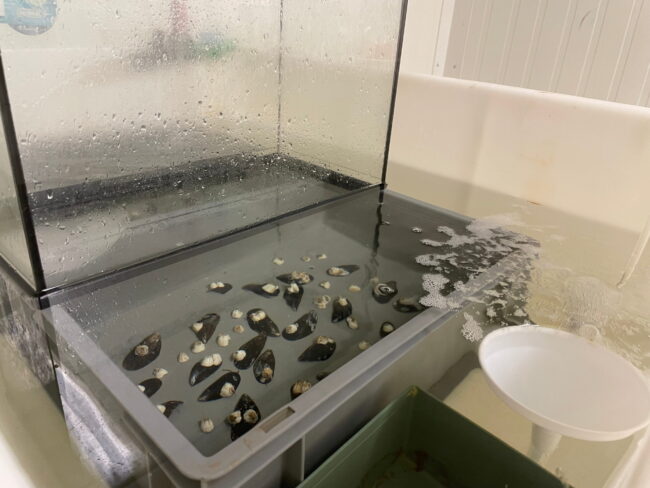
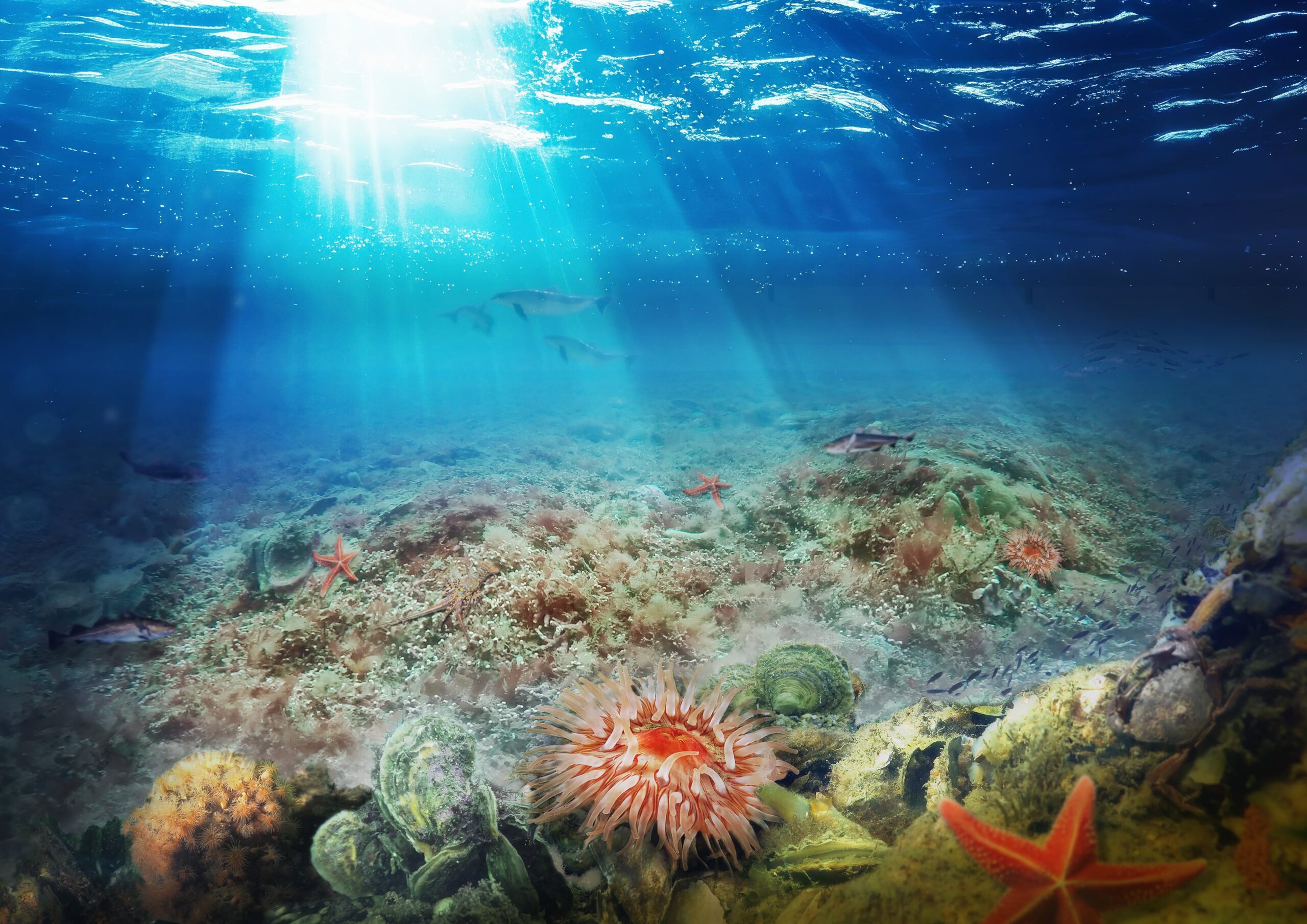
CAFEINE CAFEINE investigates how offshore structures reshape marine carbon cycling in the Belgian part of the North Sea. By adding hard structures to soft-sediment seas, these structures create habitats for filter-feeding fauna such as mussels, which remove phytoplankton, alter particle dynamics, and redirect energy from the water column to the seafloor. CAFEINE develops an integrated…

Ocean Observation Digital Platform

Ocean Observation Digital Platform The Digital Platform for Ocean Observation project will develop a web-based environment that enables Member States to upload ocean observation campaign plans and subsequently visualise, manage and extract them. The platform will focus on campaign metadata (who observes what, where, when, why, and how) rather than raw observation data. The project…

Anemoi

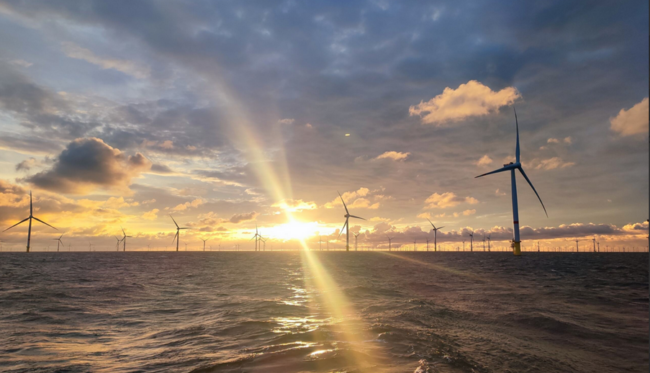
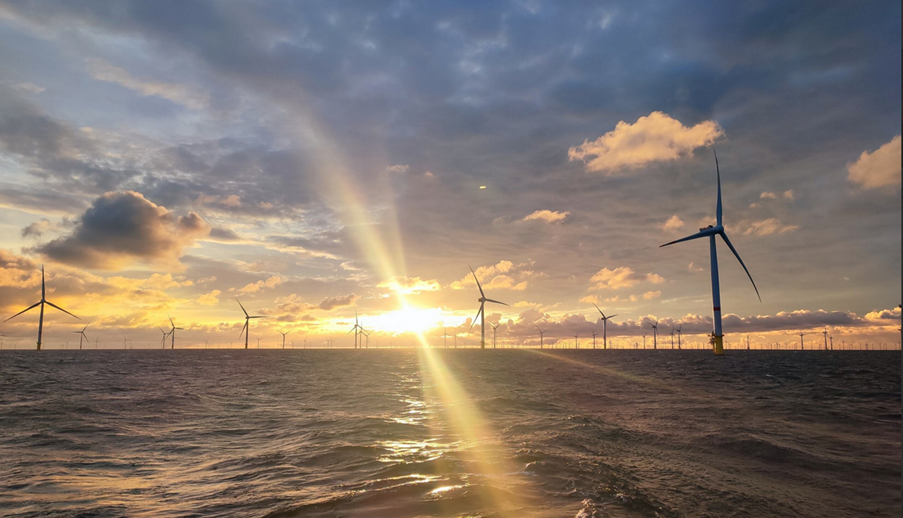
ANEMOI – Chemical emissions from offshore wind farms The Anemoi project studies the chemical emissions from offshore wind farms (OWFs) and their impact on ecosystems and aquaculture. Along with the expansion of OWFs in the North Sea, the environmental impact of OWFs is routinely monitored by assessing the effect of novel habitat introduction, the exclusion…

Oyster restoration monitoring

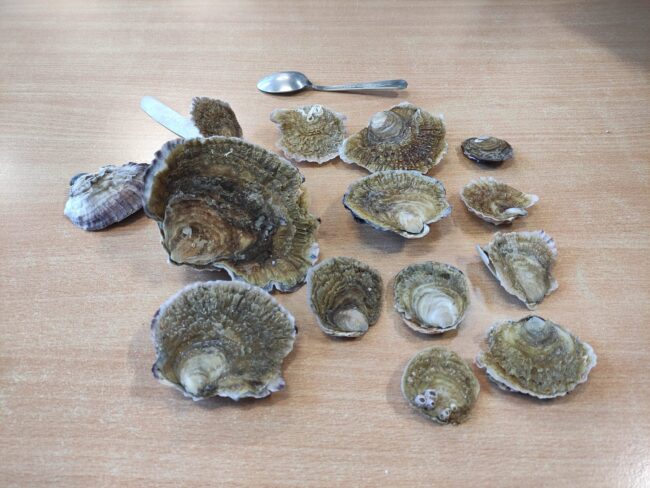
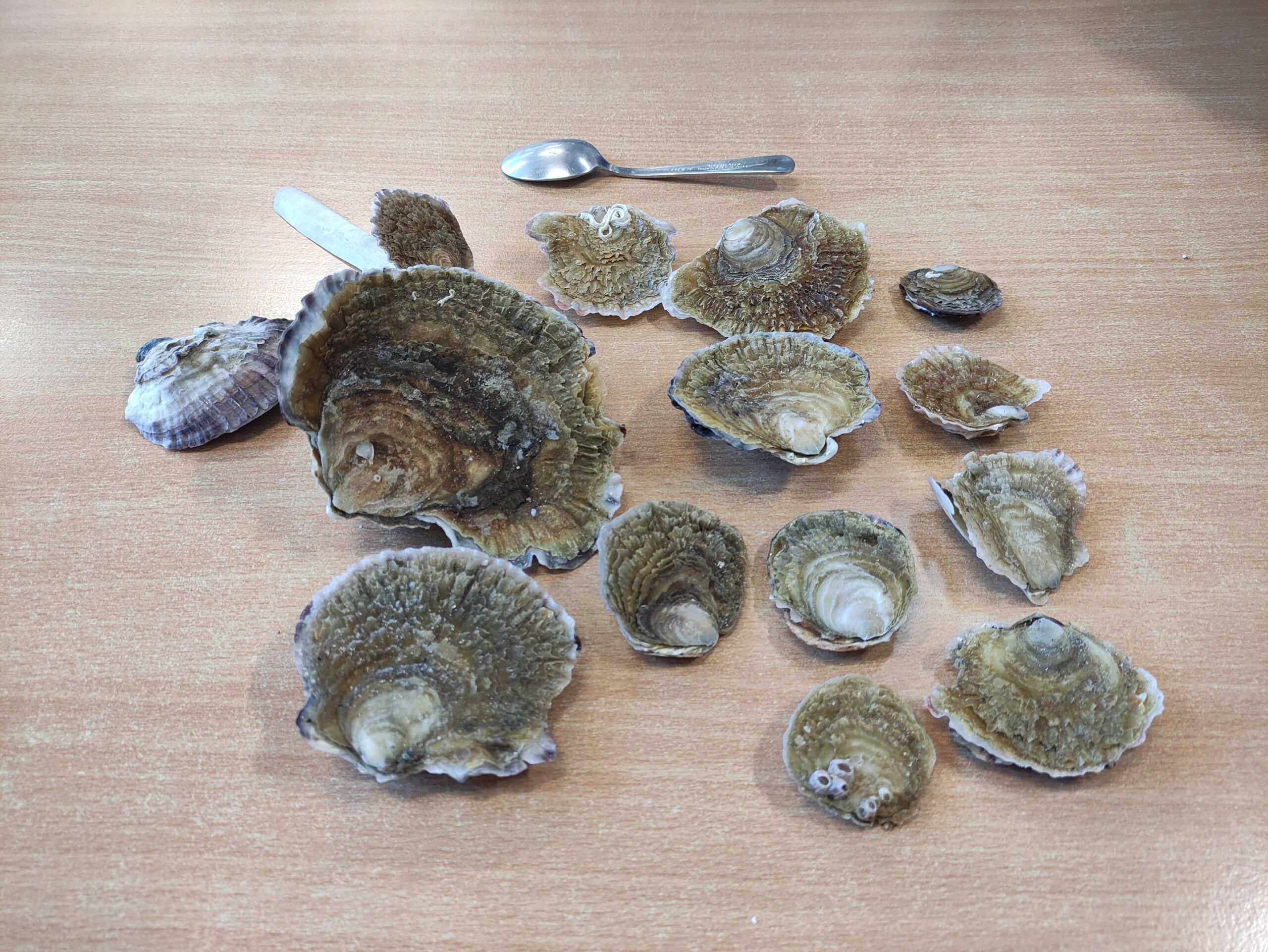
Oyster restoration monitoring The Belgian part of the North Sea was once home to extensive offshore reefs of the European flat oyster Ostrea edulis. These reefs constituted an important habitat in the marine ecosystem, supporting a range of species and ecosystem functions. Belgium has ambitious plans to restore these lost reefs in the areas where…

SpongeScan

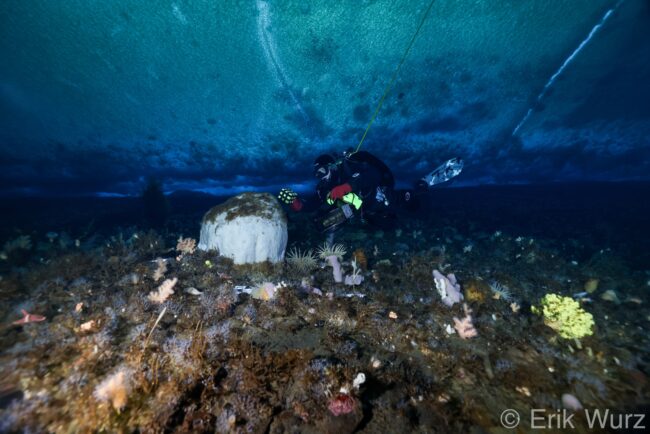
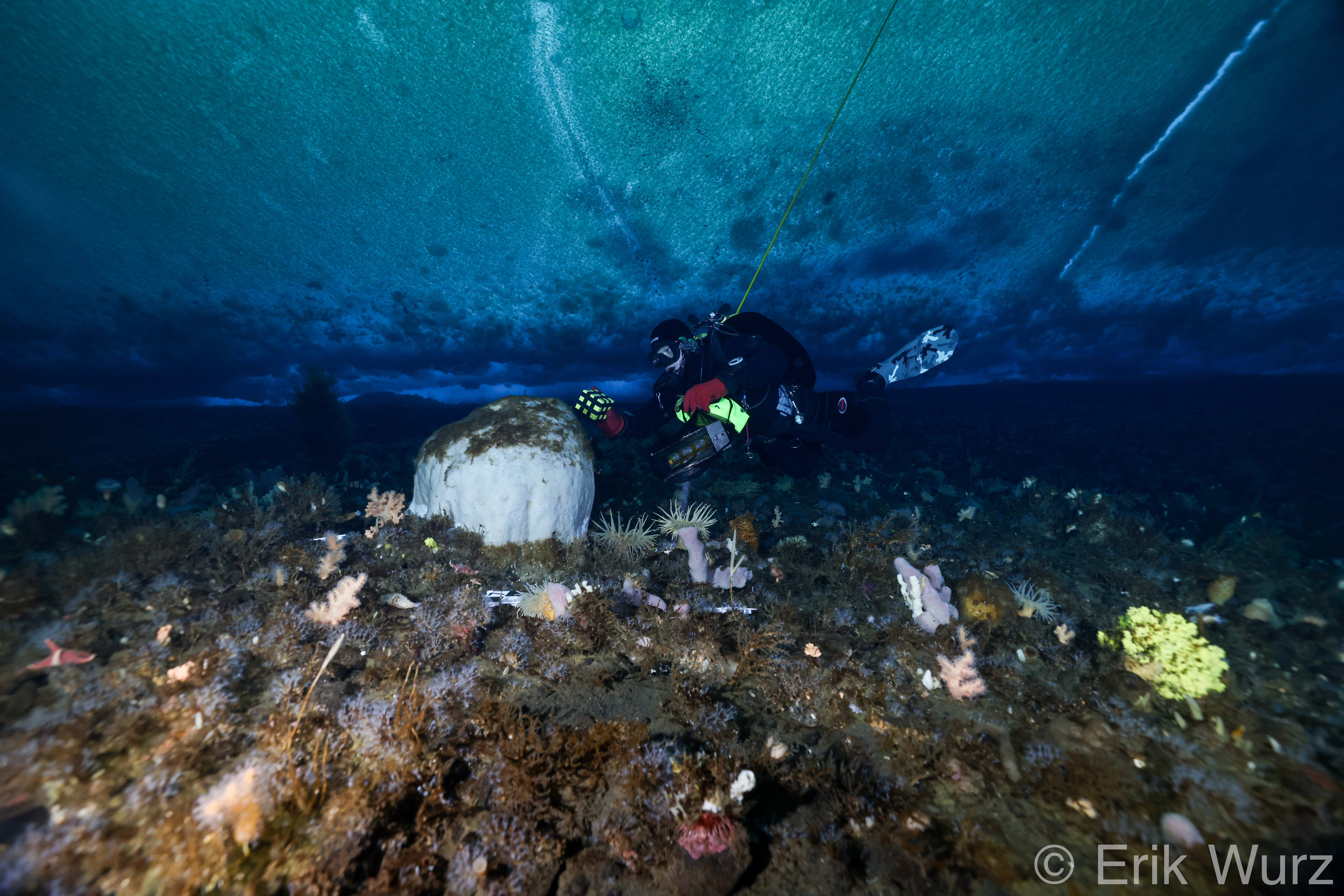
SpongeScan – Deciphering the role of glass SPONGEs in the carbon and Silicate cycle of a Changing ANt-arctic. Large glass sponges (hexactinellids) are formative structural elements of the benthic communities of the Antarctic shelf, helping to create habitat for a rich associated fauna. Glass sponge communities mostly colonise zones of high primary productivity, such as…

DECOMPASS

DECOMPASS: Decommissioning Compass for Offshore Wind The project develops a quantitative model to evaluate the economic and environmental sustainability of plausible strategies/scenarios for the decommissioning and processing of Belgian offshore wind turbines. It is based on (1) a detailed analysis of decommissioning techniques, logistics, and spatial planning in ports, and (2) an integrated techno-economic analysis,…

MINING IMPACT III

MINING IMPACT III In the last decade, there has been growing global attention toward the deep-sea mining industry. This is due to the increasing demand for metals and rare earth elements, of which large quantities and high concentrations can be found in certain marine deposits, such as poly-metallic nodules, within abyssal provinces. OD Nature is…

BELREEFS

BELREEFS BELREEFS is the first offshore pilot project for large-scale restoration of flat oyster reefs in the Belgian part of the North Sea. The European flat oyster (Ostrea edulis) is a native species of great ecological and commercial importance. Following the decline of flat oyster reefs from coastal and offshore European waters in the late…

ELASMON

ELASMON – Towards effective monitoring for protection of sharks and rays in the Belgian part of the North Sea The populations of sharks and rays in the North Sea have rapidly declined in recent decades. Knowledge gaps on their distribution and habitat use hinders their effective management and protection on a global level. The objective…

NID4BirdLIFE

NID4BirdLIFE The NID4BirdLIFE project aims to address the critical decline of the black-legged kittiwake (Rissa tridactyla) population, currently listed as endangered in the North Sea on the European Red List of Birds, by creating a durable breeding stronghold on the Princess Elisabeth Energy Island. This will be achieved through the integration of Nature-Inclusive Design (NID)…