METRIC

METRIC The pressure on marine ecosystems and the services they deliver is increasing dramatically due to global change combined with anthropogenic activities. METRIC addresses the impact of these stressors on the relationship between marine functional diversity and ecosystem stability using existing ecosystem-wide databases on marine biodiversity, ecosystem functioning and environmental settings. Research will target biogeochemical…

SEADETECT

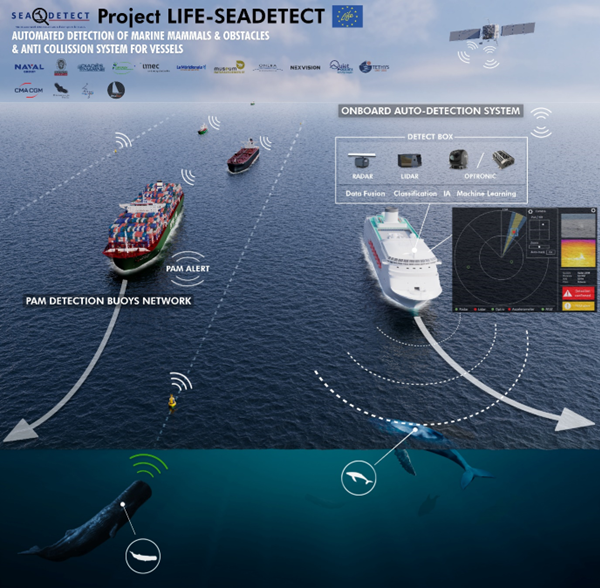
SEADETECT The SEADETECT project, will develop an automated detection system for cetaceans in order to prevent collisions between vessels and whales. Led by the French Naval Group, this project brings together ten partners from three European countries: Belgium, France and Italy. The SEADETECT automated detection and anti-collision system will be integrated into the existing multi-sensory…

BLUE4ALL

BLUE4ALL – Blueprint Demonstration for Co-Created Effective, Efficient and Resilient Networks of Marine Protected Areas One of the main challenges in marine conservation, is the social acceptability of MPA delineation, design, management and enforcement. Part of this challenge owes to the top-down approach regarding MPAs. True interaction with stakeholders most often comes late in the…

RBINS-EMBRC

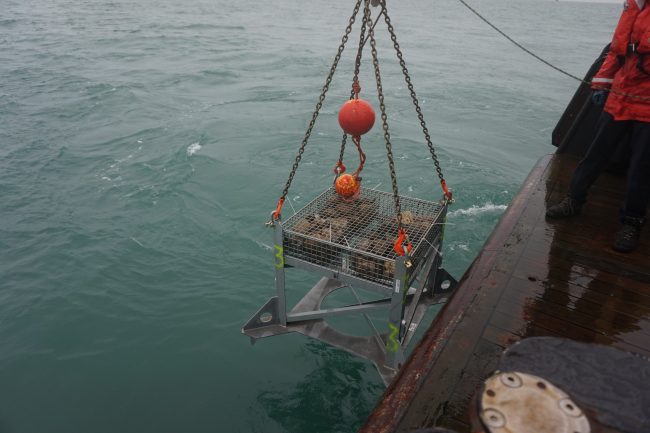
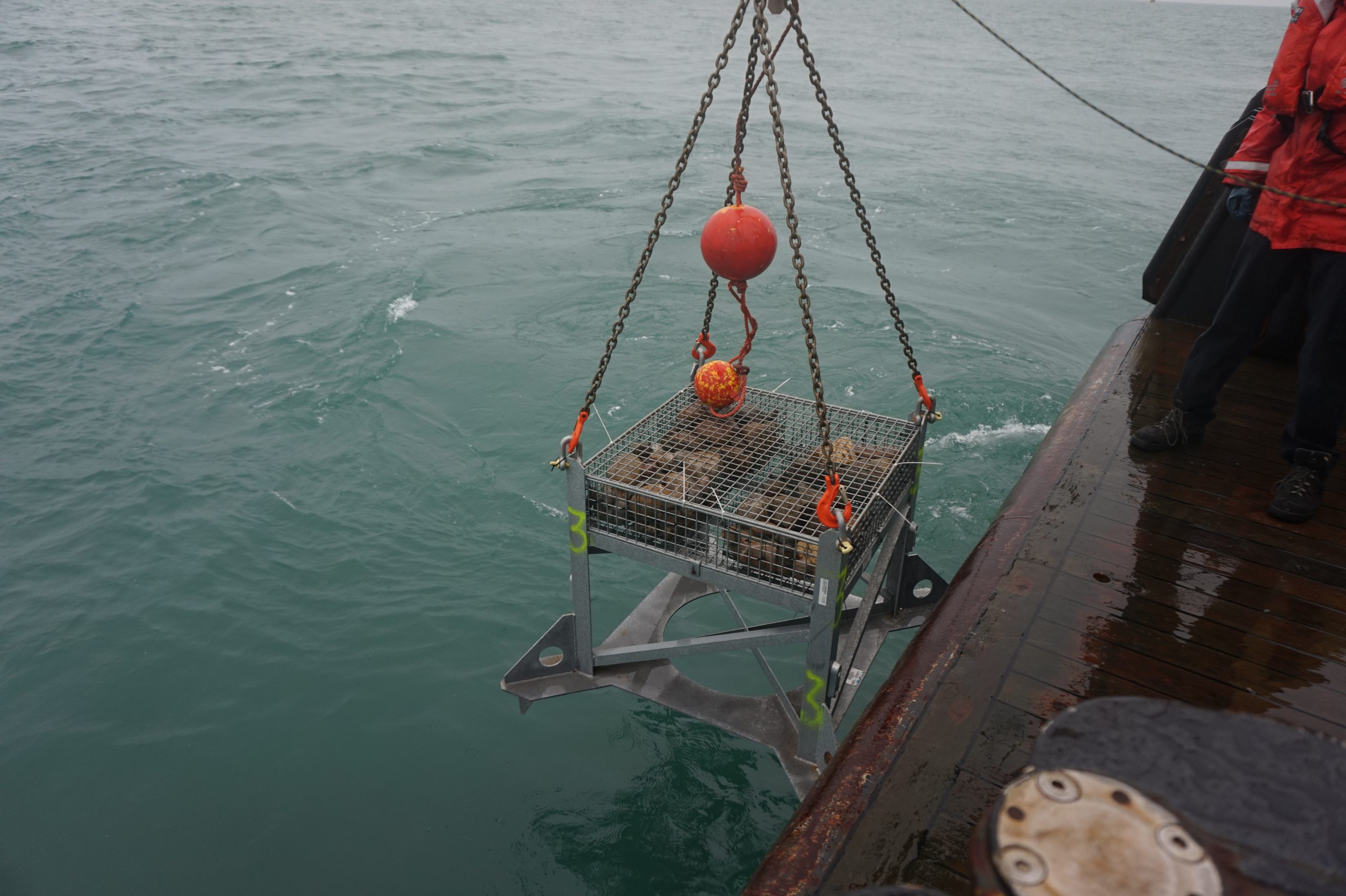
RBINS-EMBRC The RBINS-EMBRC project aims to develop a centrally managed ‘Artificial Hard Substrate Garden (AHGS)’, to provide a flexible in-situ offshore test facility as an EMBRC service pillar to researchers and industry. This test facility will support research on the effects of man-made structures (renewable energy devices, mariculture installations, coastal defense structures, etc.) on the marine…

CANOE

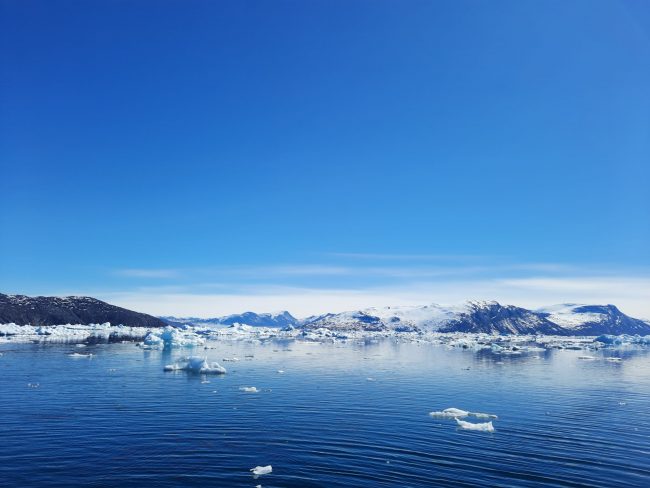
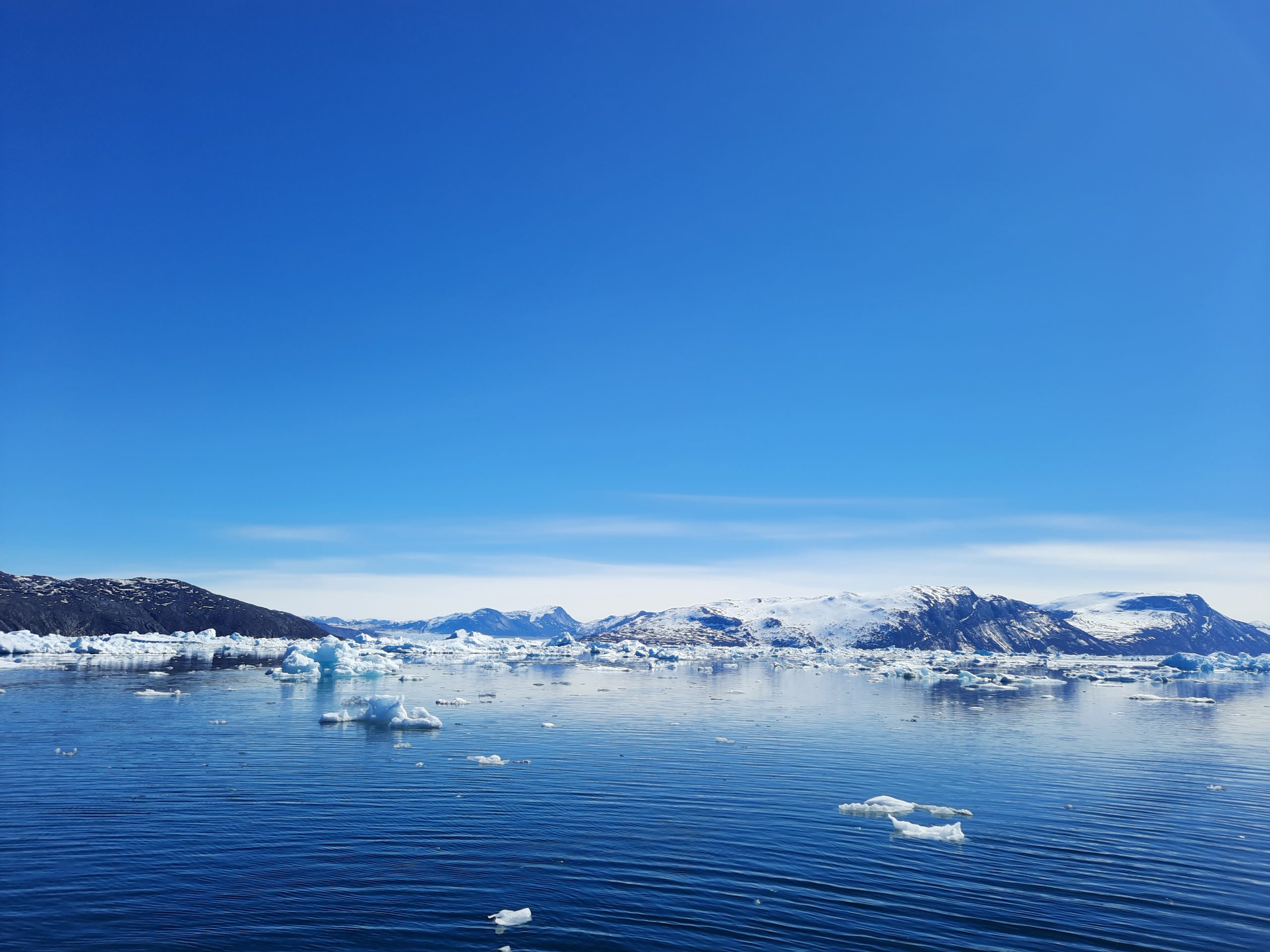
CANOE Climate chANge impacts on carbon cycling and fOod wEbs in Arctic Fjords Greenlandic fjords support highly productive and diverse food webs, while they play an important role as CO2 sinks. At the same time, global warming significantly impacts these systems through the accelerated melting of ice. CANOE aims to investigate to what extent glacial…

Belgian National Non-Indigenous Species Monitoring

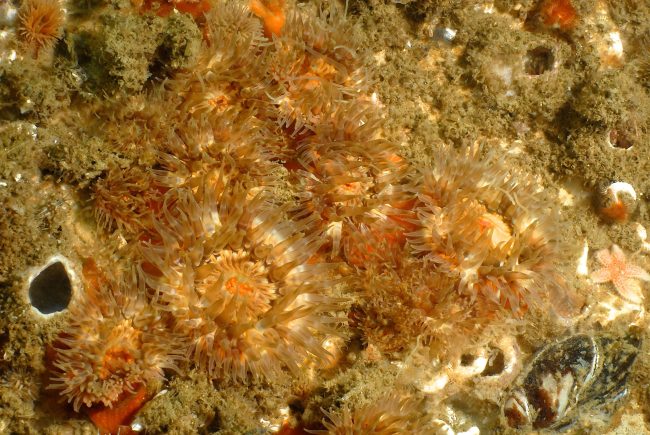
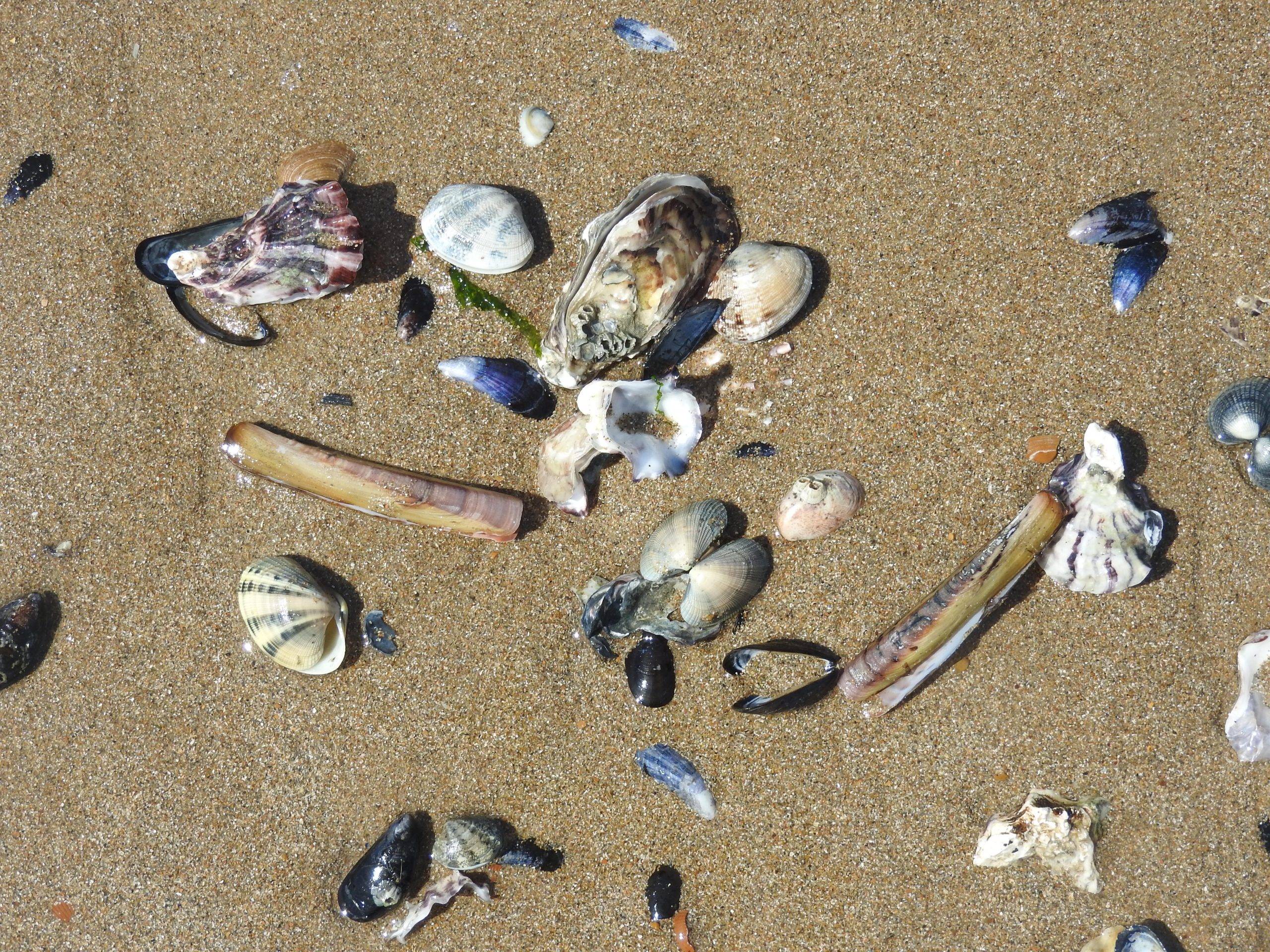
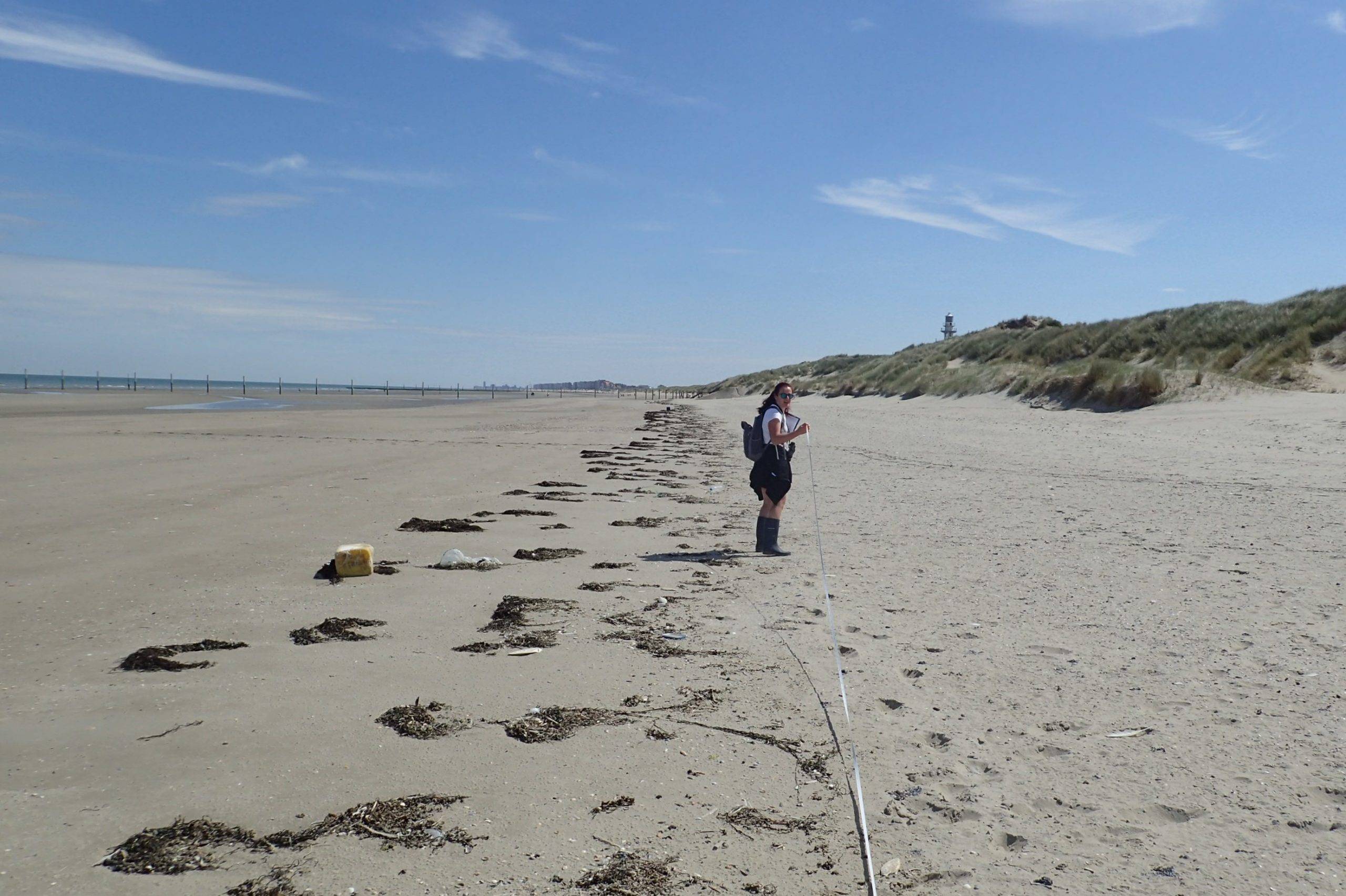
Belgian national non-indigenous species monitoring Non-indigenous species may have substantial impact on the marine ecosystems, especially in coastal regions. They may change the original habitat, oust the native species and consequently alter the ecosystem structure and functioning. They hence are of particular managerial concern and therefore addressed by the EU Marine Strategy Framework Directive. To…

Belgian National Gravel Bed Monitoring

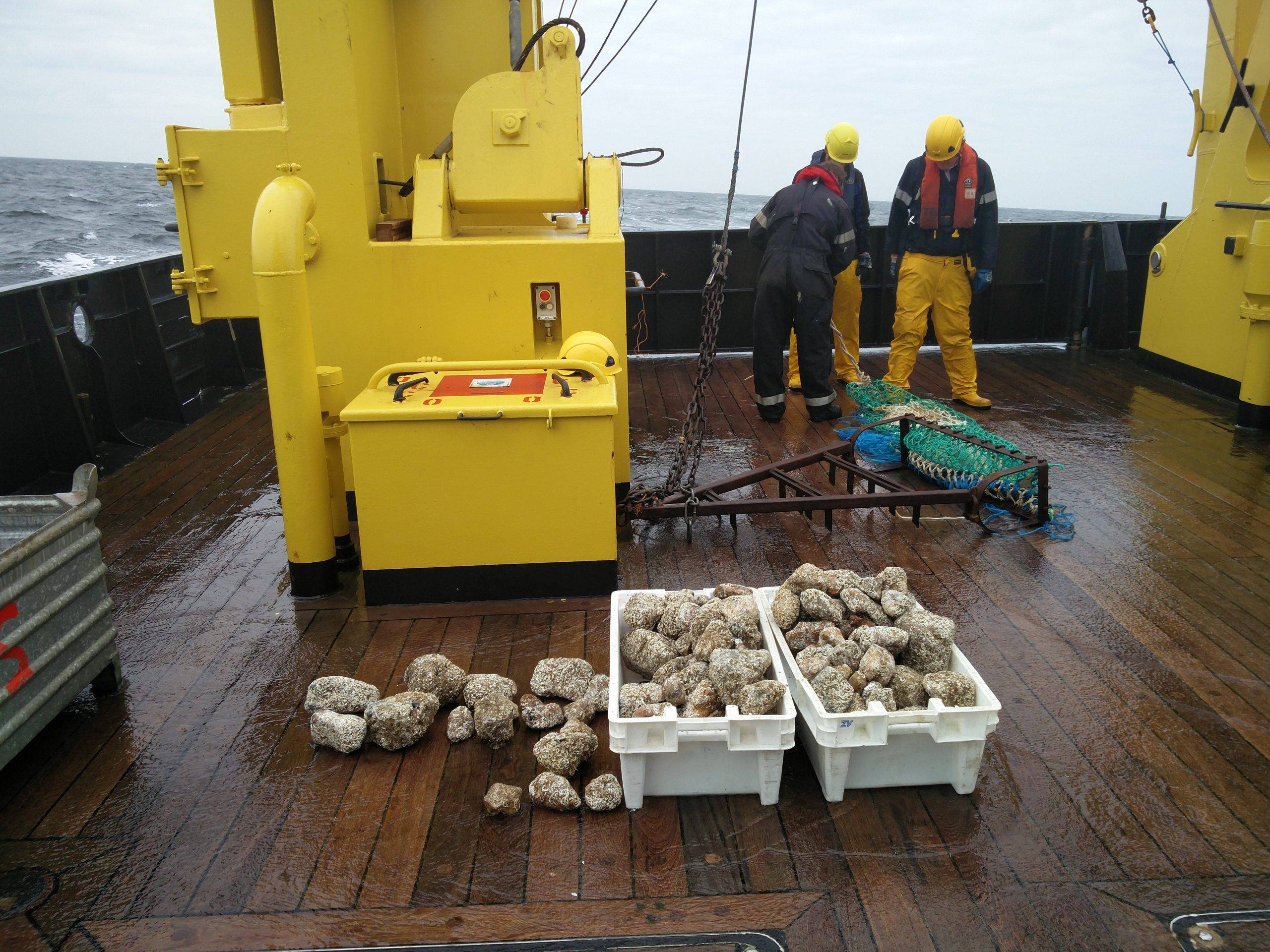
Belgian National Gravel Bed Monitoring In the framework of the European Marine Strategy Framework Directive (MSFD) and the Habitats Directive (HD), MARECO is responsible for the design and implementation of the national monitoring program on seafloor integrity and biodiversity in natural gravel bed biotopes, classified as “Reefs” (Habitat 1170) under the EU Habitats Directive. This…

WinMon.BE

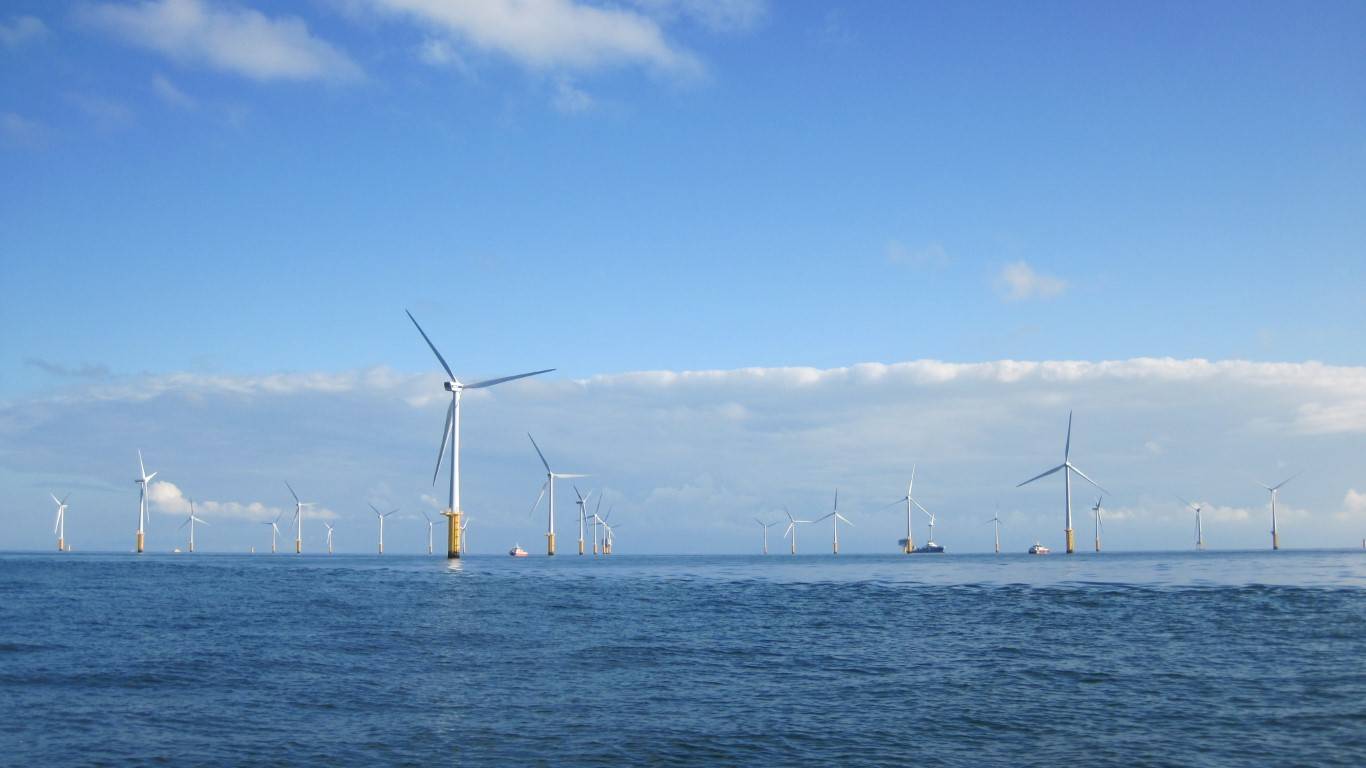
WinMon.BE The Belgian monitoring programme on the environmental impacts of offshore wind farms MARECO is coordinating the environmental monitoring program to assess the impact of Belgian offshore wind farms, WinMon.BE. Together with our partners Ghent University, INBO and ILVO, we assess the impacts onto the marine ecosystem and aim at revealing the processes behind these…